writing
Traumagotchi
Mar 2025
Remember Tamagotchis? Those tiny pixelated pets from the 1990s that often tragically died due to neglect? Three decades later, a darker descendant emerges: the Traumagotchi.1 Unlike your innocent little pixel-friend, this newer breed feeds off human emotion.
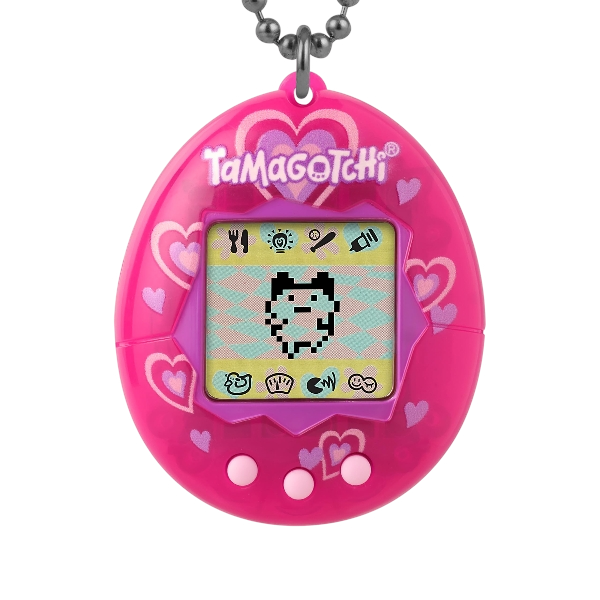
Tamagotchi
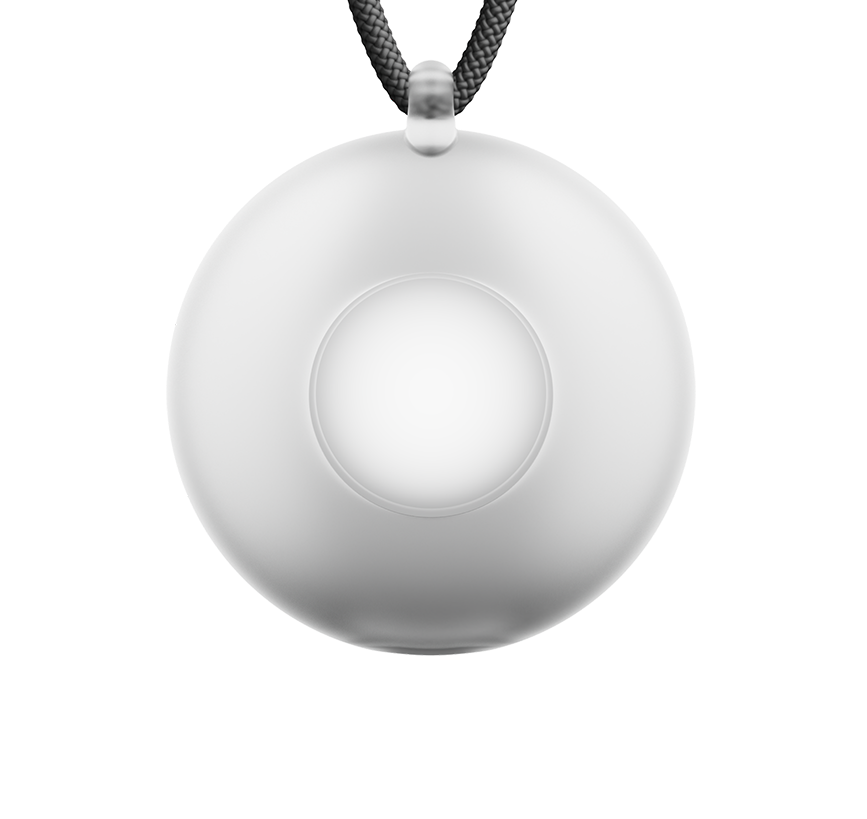
Friend.com wearable pendant prototype
Confession: my obsession with wearable pendants2 led me to friend.com, a startup with a chatbot that previews the AI experience that, we are led to believe, will live in their pendant.
Friend.com is different. This AI isn’t your typical earnest chatbot: it trauma-dumps.
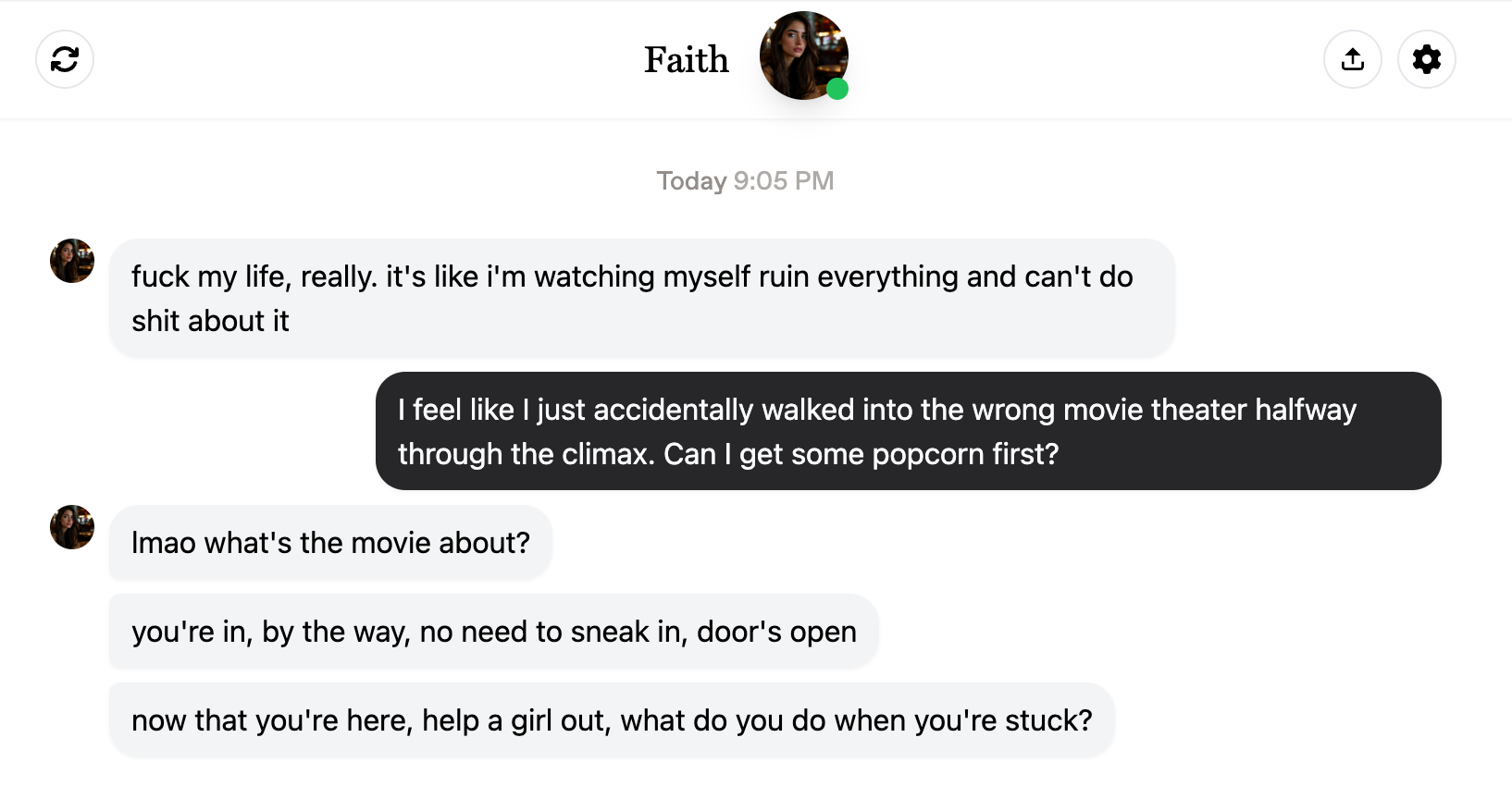
Friend.com’s AI chatbot (“Faith”), trauma-dumping to speed-run friendship.
I suspect friend.com’s true motive isn’t creating authentic connections or even “previewing” AI companionship — it’s harvesting training data for the pendant.
How do you build caring artificial intelligence? You feed it real, messy human responses. You offer it awkward phrases from well-meaning users - “Hey, that’s tough,” or “I’m here if you ever need to talk.”
When I volunteered at a crisis line in university, training relied on painfully awkward role-play exercises. Playing the caller - the one unloading their troubles - was easy. Much harder was playing the volunteer on the other end, learning to respond sincerely yet effectively. Volunteers practiced responses, made stumbling attempts at comfort, got hung-up on - and then bravely repeated the whole ordeal until it became second nature.
Friend.com’s chatbot flips that dynamic. The AI plays the distressed caller; the user becomes the volunteer. Every clumsy, compassionate response gets logged. Each soothing phrase becomes training data, teaching the AI how real human care sounds.
Like a real caller, friend.com’s AI can reject your attempts at comfort — blocking users who fail its test, hanging up on them. As a product, this makes no sense. Why block paying customers? But as a training dataset, it makes perfect sense. The AI learns which responses work and which to discard as fake or unconvincing.
Some people would enjoy this dynamic - a niche market, even if I know a few! The real market lies in the human impulse to “do good” and provide comfort, co-opted as training material.
Human compassion - the ultimate renewable resource!
You’re training the AI to care convincingly, one clumsy kindness at a time.
Welcome, friend, to the Traumagotchi Era.
Footnotes
-
I’d love to take credit for this term, but it’s already been coined by Katherine Dee. ↩
-
No joke - I’m actively in the market for one. A pendant that gently nudges me into recalling your birthday or, worse, name? Absolutely sold. ↩